
Aging Pets
Making their golden years the brightest

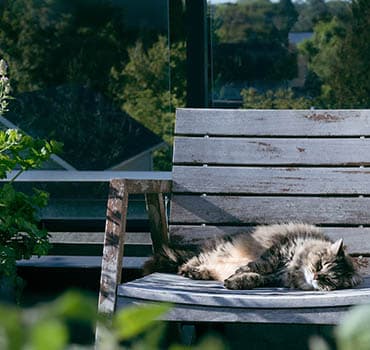

Senior Pets
Pets between 7–12 years of age are considered senior pets. Senior pets are those who are visibly greying around the muzzle and may seem a little stiff in the morning, but wouldn’t turn down their morning walk. Generally, there is little to no change in eating habits or abilities, and no toileting troubles. These companions still clearly enjoy life.
Geriatric Pets
This group consists of small breed dogs and cats over age 12 and larger breeds of dogs around 10–11 years. You may notice that this pet spends a good portion of the day sleeping. Long walks, stairs, and toileting troubles may become apparent. Failing vision and hearing could cause your pet to become anxious, with panting, whining, and pacing behaviors all common.
These are the pets that we have grown with. They have been there through your ups and downs. But it’s important to notice when their bad days start outweighing their good.

Why Is This Difference Important?
The reason we separate these two life stages is because each group has a different set of needs. Senior animals are generally still quite healthy and require very little additional care. Dental health and weight management are key to caring for your senior. Obesity may compound an already difficult condition such as arthritis or diabetes. Dental disease is the biggest threat, affecting more than just your pet’s mouth.

What Can I Do for My Senior Pet?
To keep your senior pet happy and healthy: change their diet to a lower calorie diet with reduced salt levels and high-quality controlled protein. Visit the vet routinely (every 6 months) for a full wellness exam, bloodwork, and urine test. Be proactive about oral health and address small concerns sooner rather than later.

What Do Geriatric Animals Require?
Pain management is key because pain levels can be high as diseases enter more advanced stages. Large breed dogs commonly have painful arthritis, which can affect their ability to walk and their overall happiness. Geriatric pets are also far more likely to struggle with multiple health issues at once.

What Can I Do for My Geriatric Pet?
Focus on support, pain management, and quality of life. Address eating habit changes with your vet. Focus on pain control and mobility — medication and therapy can significantly improve comfort. Adjust your home: replace collars with harnesses, add yoga mats on slick floors, grip tape on stairs, night lights near food and water. Use steps or ramps to help pets onto furniture or into cars.
We Are Here When You Need Us
If you are facing a difficult decision about your pet’s care, please know that you do not have to navigate this alone. Our compassionate team is here to answer your questions and support you through every step.

